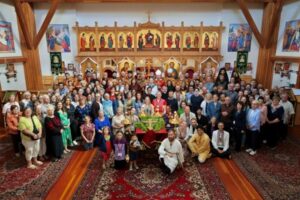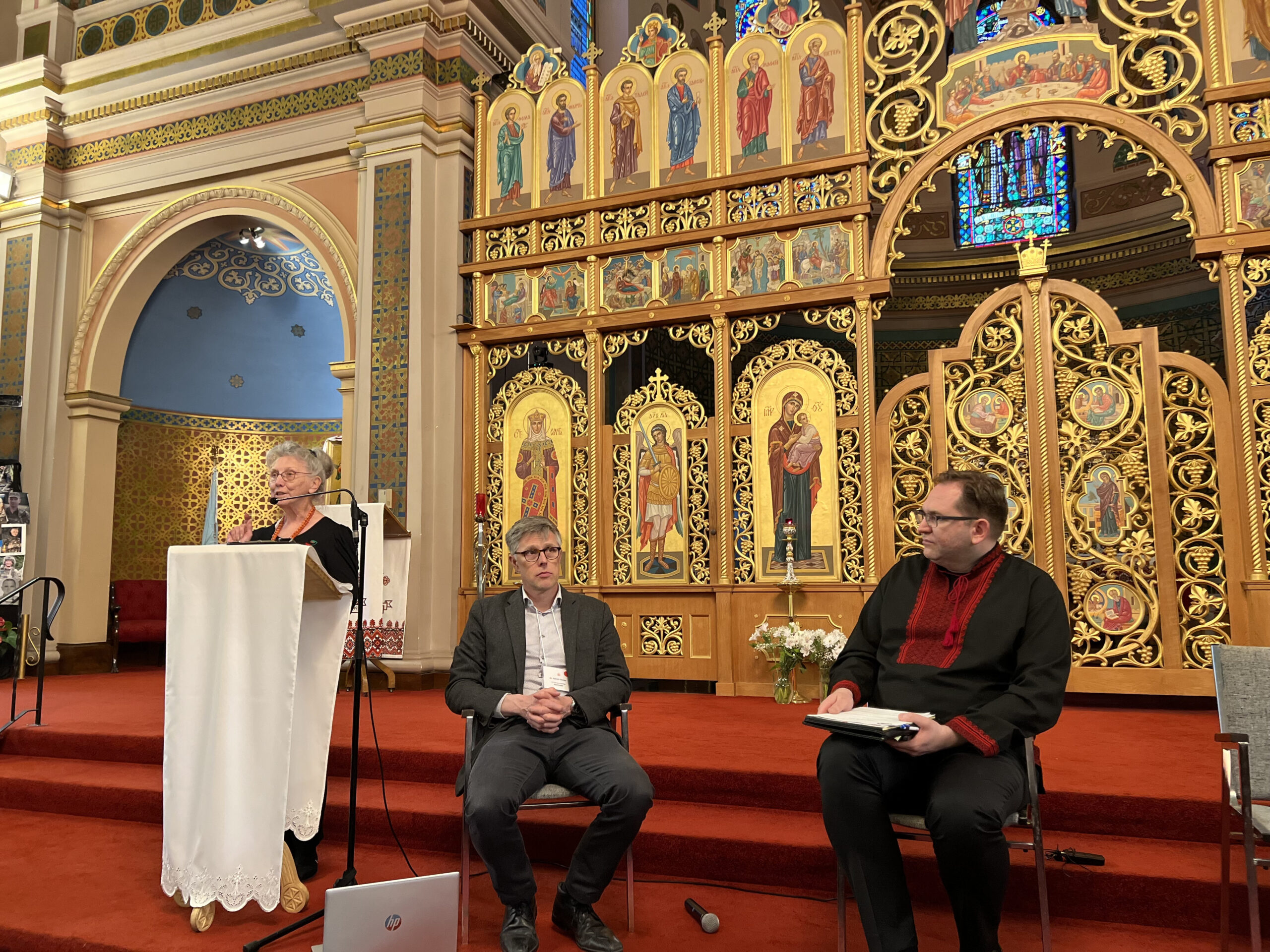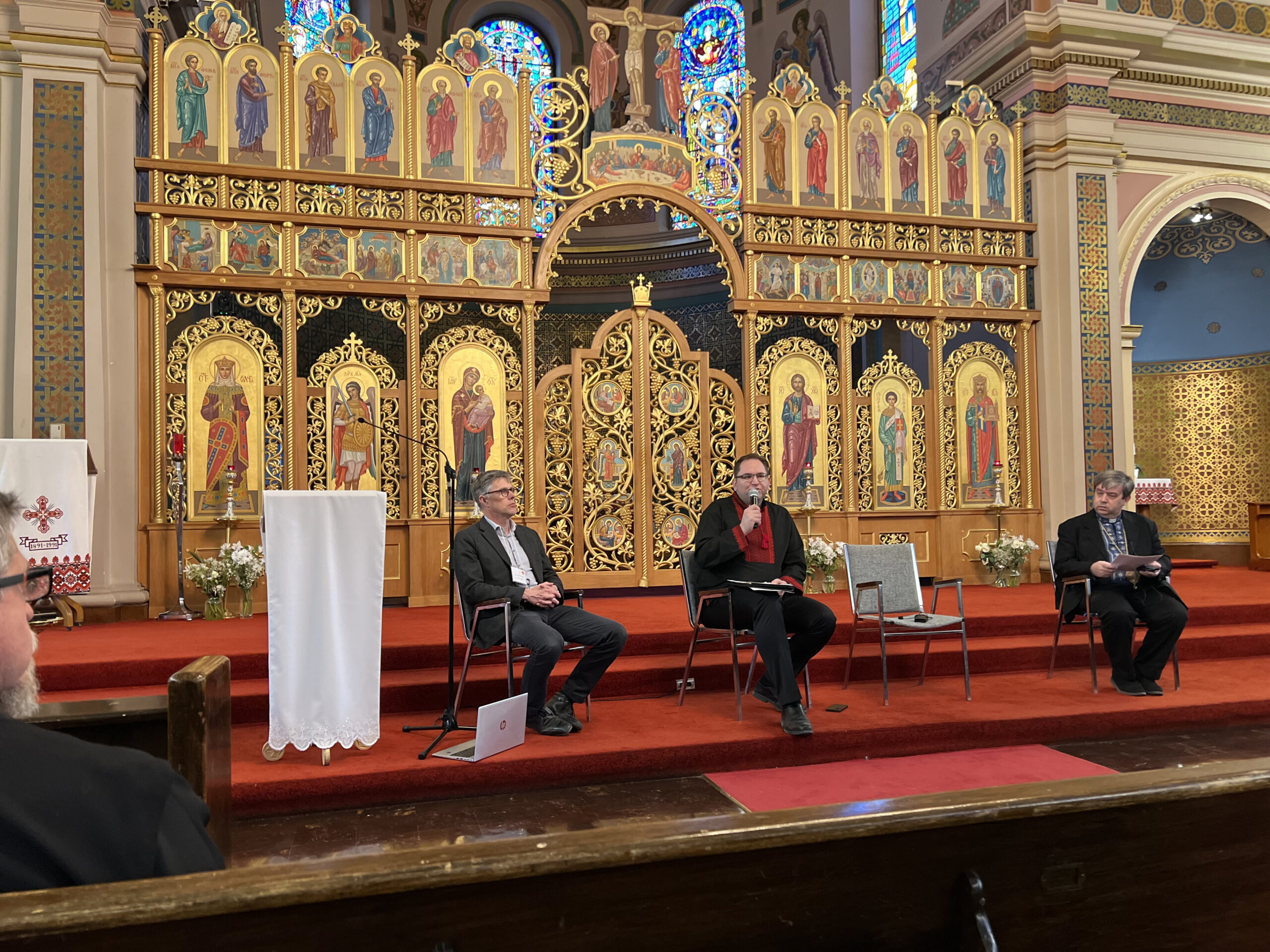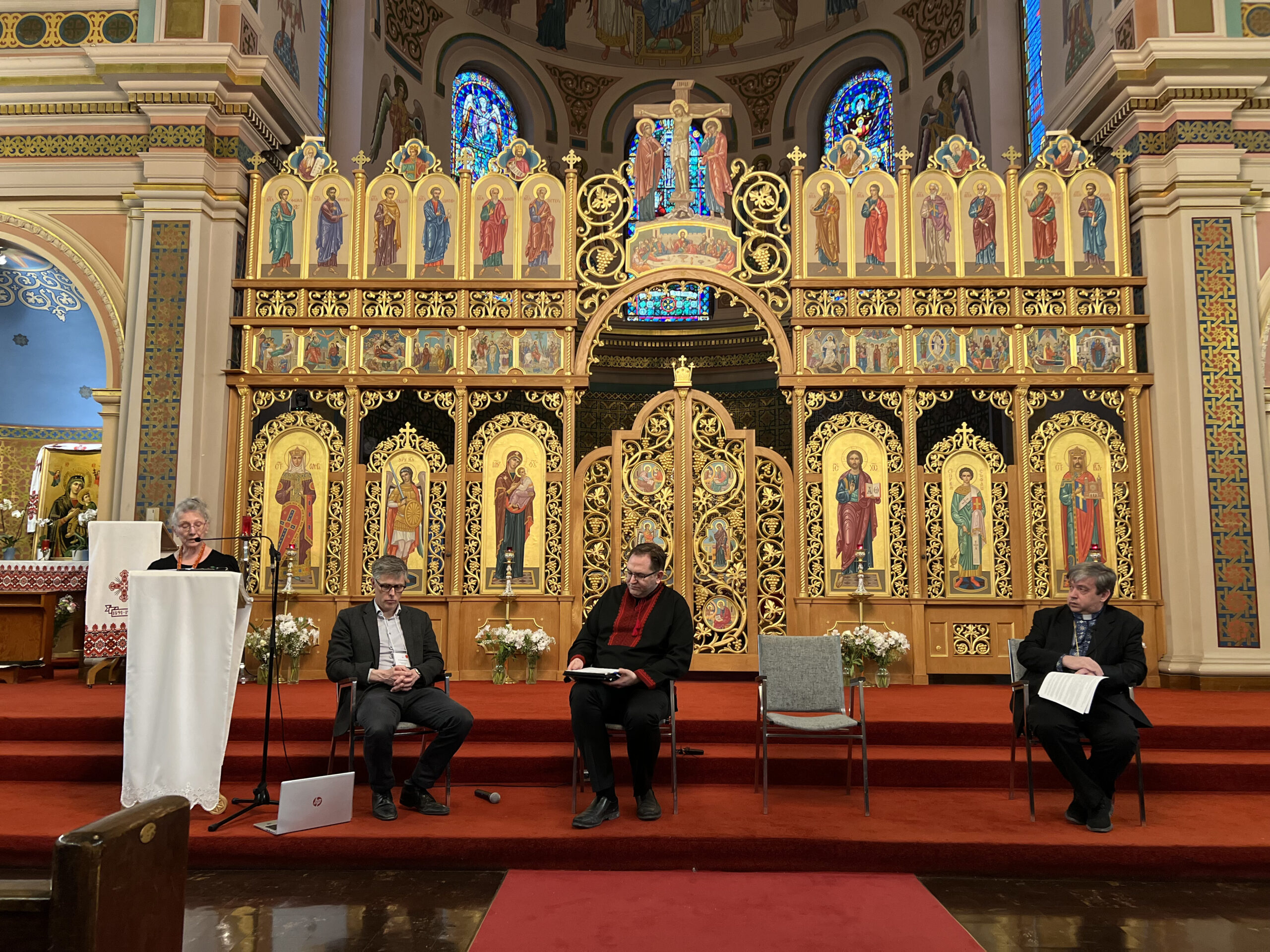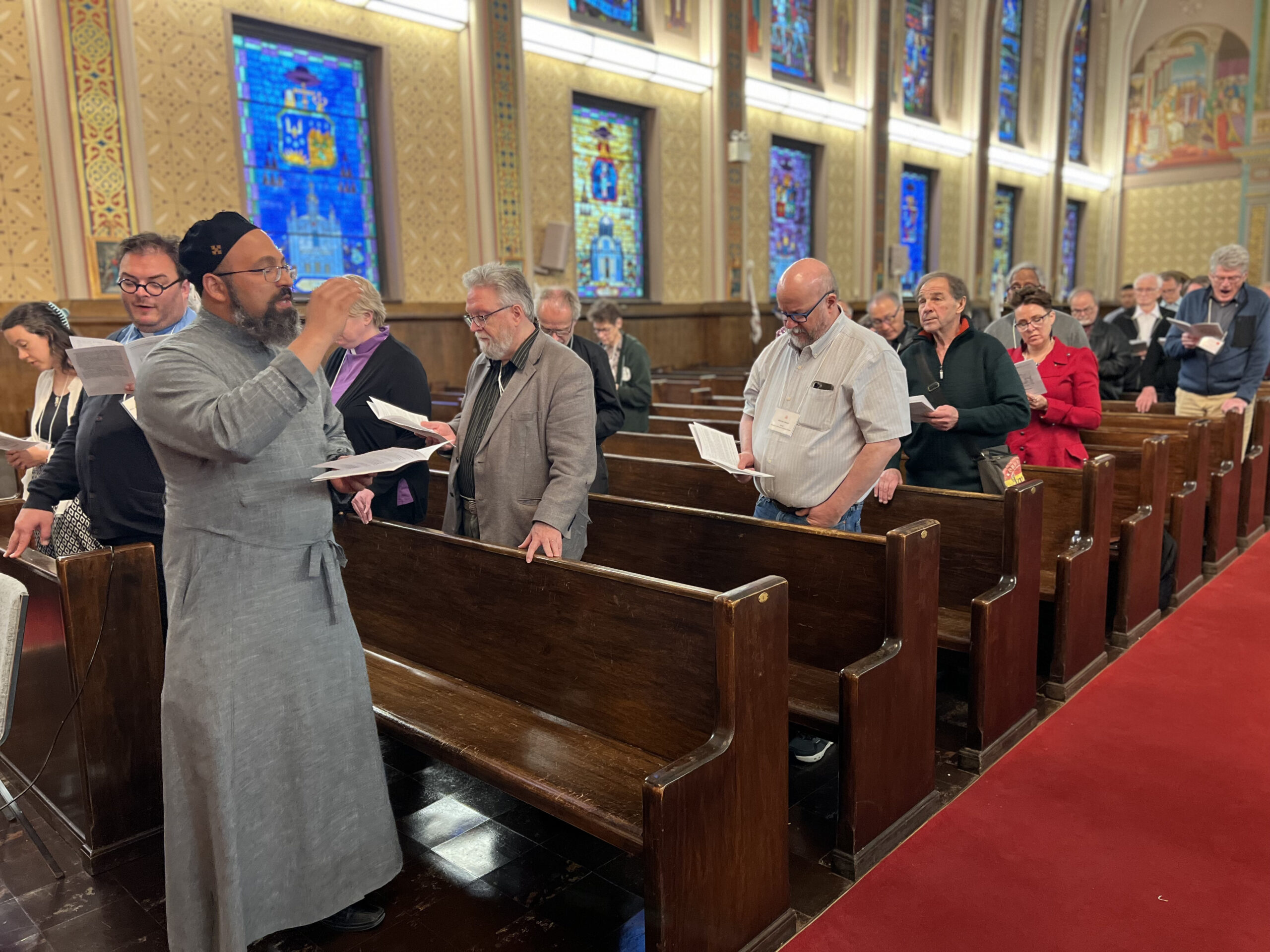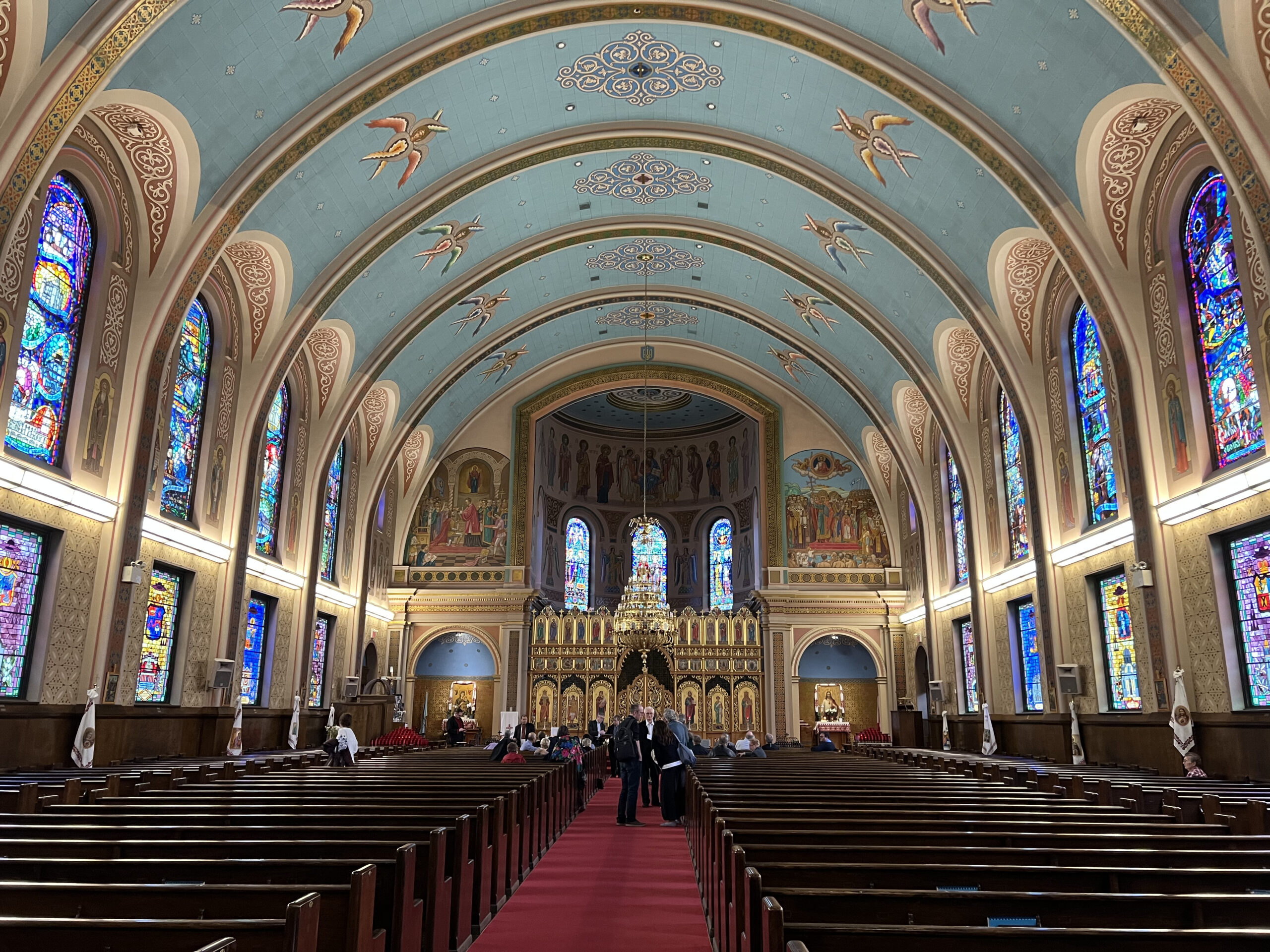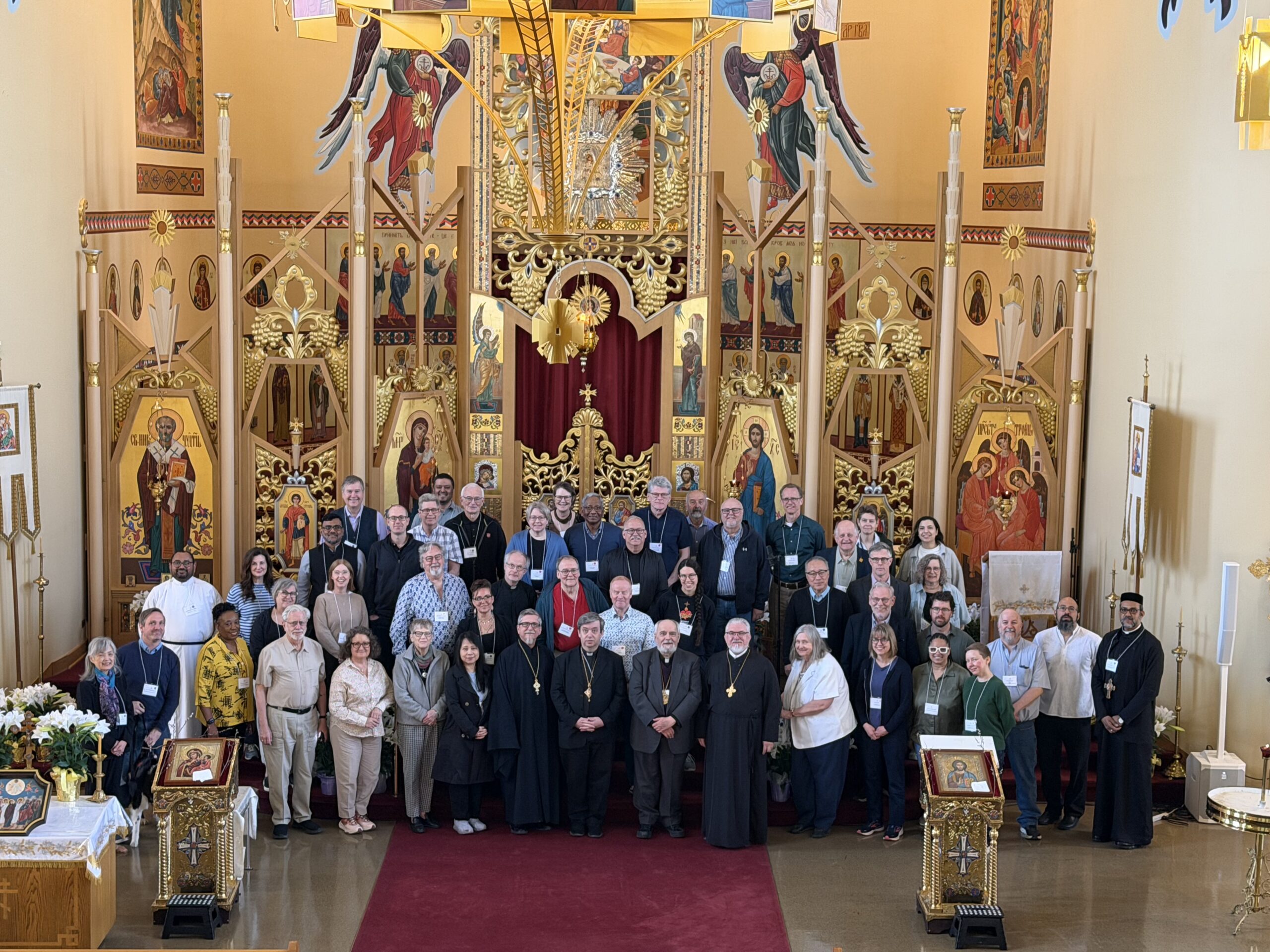
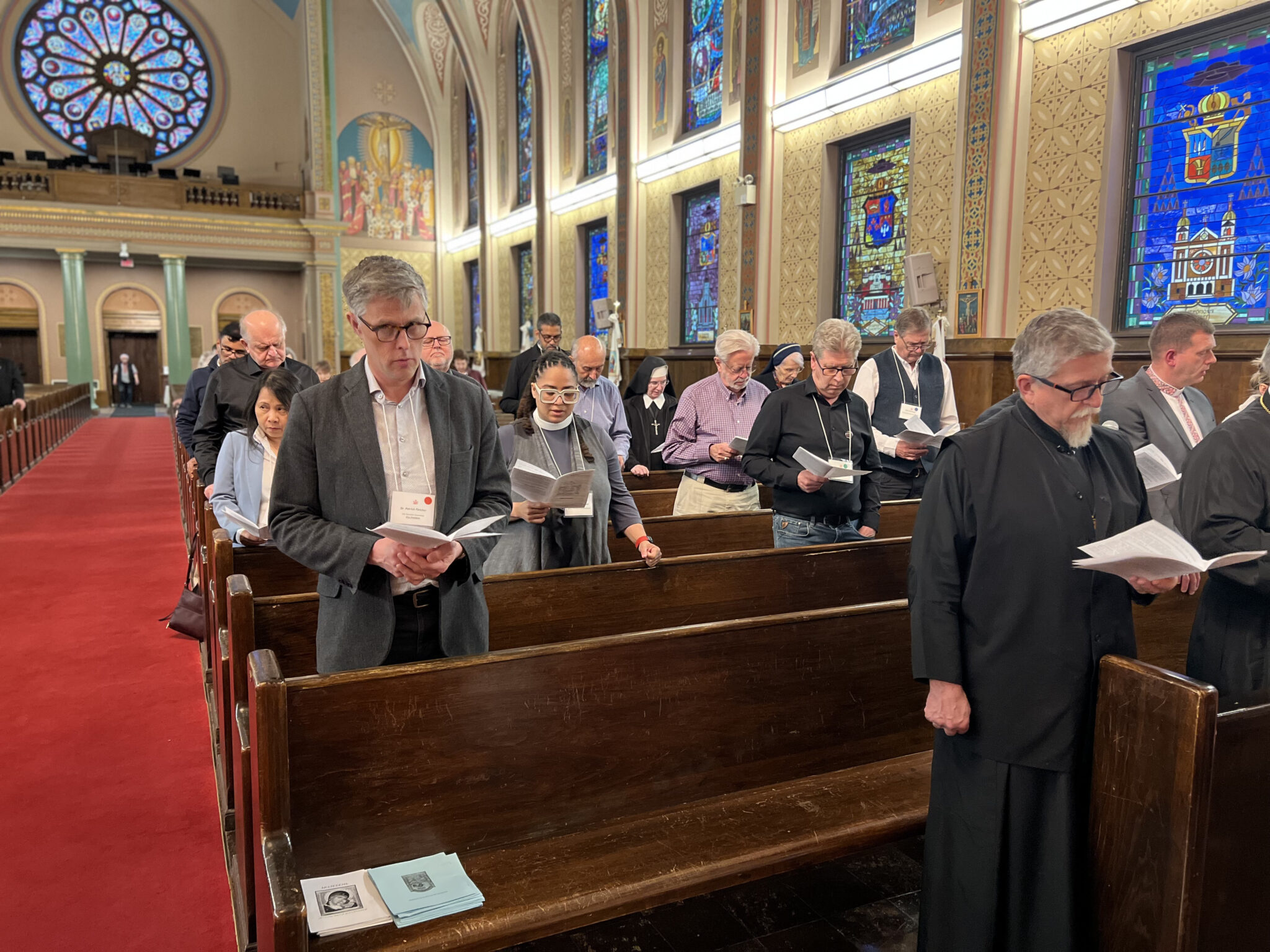
WINNIPEG. Against the backdrop of towering golden iconostasis and the beautiful architecture of Sts. Volodymyr and Olha Cathedral in Winnipeg, a profound ecumenical gathering took place on the evening of May 21, 2026. As part of its triennial meeting in Winnipeg, the Canadian Council of Churches Governing Board convened a special session dedicated to Ukraine. The event brought together national faith leaders, local advocates, and the public to discuss the current situation and examine how the ongoing war and political situation in the world have reshaped domestic religious landscape in Ukraine and the demographic fabric of Canadian parishes. The evening began with a discussion panel that explored the conflict through political, humanitarian, and church lenses.
The session opened with a panel led by Dr. Patrick Fletcher, vice-president of the Canadian Council of Churches. He introduced Ihor Mychalchyshyn, former CEO of the Ukrainian Canadian Congress – National, who outlined the critical historical events leading up to the war and the current political and military situation. Mychalchyshyn emphasized the vital role that Canada’s continuous political backing, economic sanctions, and humanitarian aid play in sustaining Ukrainian resilience.
Shifting the focus to the local reality on the ground, Joanne Lewandosky, President of the Ukrainian Canadian Congress – Manitoba, recounted how Manitobans have stepped forward to welcome tens of thousands of displaced Ukrainians fleeing the war under emergency travel authorizations like the CUAET program. Lewandosky detailed the extensive support systems established to assist these newcomers. These initiatives include accelerated English language acquisition, job placement, housing security, and school enrollment, alongside guidance through the legal procedures required to secure Permanent Residency. She explicitly praised the government of Manitoba, noting that the province’s generous financial backing and program funding have been indispensable to the success of these settlement efforts.
The third segment of the discussion featured a presentation by the Most Rev. Andriy Rabiy, Auxiliary Bishop of the Ukrainian Catholic Archeparchy of Winnipeg, entitled “Faith and Fractures: The Ukrainian Religious Experience in Manitoba and Ukraine (2022–2026).” Bishop Rabiy pointed out that the massive influx of displaced Ukrainians has significantly altered the composition of the local diaspora. A large portion of recent arrivals originate from Central, Eastern, and Southern Ukraine—regions regarded as more secularized or under different ecclesial jurisdictions than the predominantly Western Ukrainian roots of Manitoba’s established diaspora.
Initially, interactions of newly arrived Ukrainians with local churches were largely driven by immediate utilitarian settlement needs. The Ukrainian Canadian Congress – Manitoba, local parishes of the Ukrainian Catholic Archeparchy, the Ukrainian Orthodox Church of Canada, and Protestant networks—such as the volunteer-led Bridge of Hope Ukraine—served as primary humanitarian hubs. Over time, however, this relationship evolved. For a notable segment of newcomers, the church transitioned into a vital space for psychological comfort, communal grief, and cultural preservation. Bishop Rabiy also noted a somewhat disproportionate growth in Slavic Evangelical, Baptist, and Pentecostal churches in Manitoba, which provided rapid and responsive community integration.
By 2026, many newly arrived Ukrainians increasingly stepped into lay leadership roles. They now create and manage youth camps, cultural organizations, and advocacy groups, injecting new vitality into aging congregations. Alongside them are newly arrived clergy who act as cultural interpreters of wartime trauma. Yet, the Bishop acknowledged ongoing challenges, detailing a subtle cultural friction between the historic diaspora—which preserves a 20th-century Western Ukrainian framework—and contemporary Ukrainian- or Russian-speaking newcomers. He highlighted a severe shortage of professional resources to handle deep psychological trauma and survivor’s guilt, as well as occasional clashes between the institutional religiosity expected by traditional Manitoban parishes and the more fluid faith identities of individuals from highly Soviet-impacted regions.
Turning his attention back to Ukraine, Bishop Rabiy detailed a massive institutional realignment. Following the outbreak of the war initiated by Russia and the passage of Law No. 8371—aimed at prohibiting religious organizations tied to the Russian Orthodox Church—hundreds of local parishes have voluntarily transferred their jurisdiction from the Moscow-linked Ukrainian Orthodox Church to the independent Orthodox Church of Ukraine. This societal shift includes strict legal actions; official reports from the Security Service of Ukraine indicate that criminal proceedings for collaboration or treason have been opened against more than 100 clergymen, resulting in dozens of indictments and 26 court sentences.
The physical toll on Ukraine’s religious infrastructure has been equally devastating. Verified data from the State Service of Ukraine for Ethnic Policy and Freedom of Conscience, alongside Mission Eurasia, documents between 704 and 737 religious sites damaged or destroyed. This includes roughly 200 completely ruined structures, with the highest density of destruction concentrated in Donetsk, Luhansk, Kyiv, Kharkiv, and Kherson. While Orthodox structures comprise the highest absolute numbers, minority evangelical groups face targeted erasure under Russian occupation, with at least 450 Baptist and Evangelical structures damaged or destroyed.
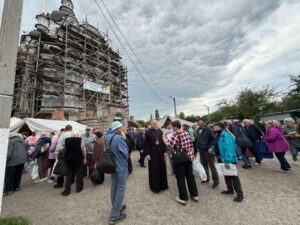
Furthermore, the human cost under occupation has been horrific. Nearly 30 Ukrainian religious leaders have been killed, assassinated, or tortured to death. Bishop Rabiy shared the harrowing accounts of Father Stepan Podolchak, a 59-year-old Ukrainian Orthodox priest tortured to death in Kherson for refusing to transfer his parish allegiance to Moscow, and Pentecostal deacon Anatoly Prokopchuk and his 19-year-old son, Aleksandr, who were abducted and executed by occupying forces.
Dozens of Greek Catholic, Roman Catholic, and Evangelical pastors have faced arbitrary arrest, deportation, or enforced disappearance. In regions like Zaporizhzhia and Luhansk, occupation authorities have formally labeled Evangelical groups as “foreign agents” or illegal sects, leading to the forced closure of facilities, the confiscation of religious items, and pushing active faith communities entirely underground.
In response to these realities, Bishop Rabiy concluded his presentation with a definitive call to action, outlining how the Canadian Council of Churches can support Ukraine:
-
Theological and Ideological Counter-Witness: Issue cross-denominational declarations explicitly rejecting the Russkiy Mir (“Russian World”) ideology used by the Moscow Patriarchate to sacralize the invasion, framing it clearly as a distortion of the Gospel.
-
Geopolitical Advocacy: Lobby Global Affairs Canada to ensure Canadian foreign policy refuses to accept a “frozen conflict” or forced territorial concessions, insisting instead on a peace grounded in international law and the restoration of Ukraine’s borders.
-
Structural Integration & Trauma Care: Transition local church support from immediate refugee relief to deep structural integration. Share physical spaces and leadership platforms with newly arrived Slavic congregations, and fund context-specific, trauma-informed care pipelines to treat complex PTSD.
-
Material Infrastructure Mobilization: Channel financial support directly into the hands of grassroots Ukrainian parishes rather than massive international bureaucracies. Establish an “Adopt-a-Parish” framework where Canadian congregations directly sponsor the rebuilding of destroyed sanctuaries.
-
Combating Ukraine Fatigue: Institutionalize February 24 as a permanent national day of prayer and financial collection across all Canadian denominations to keep the human cost of the war visible.
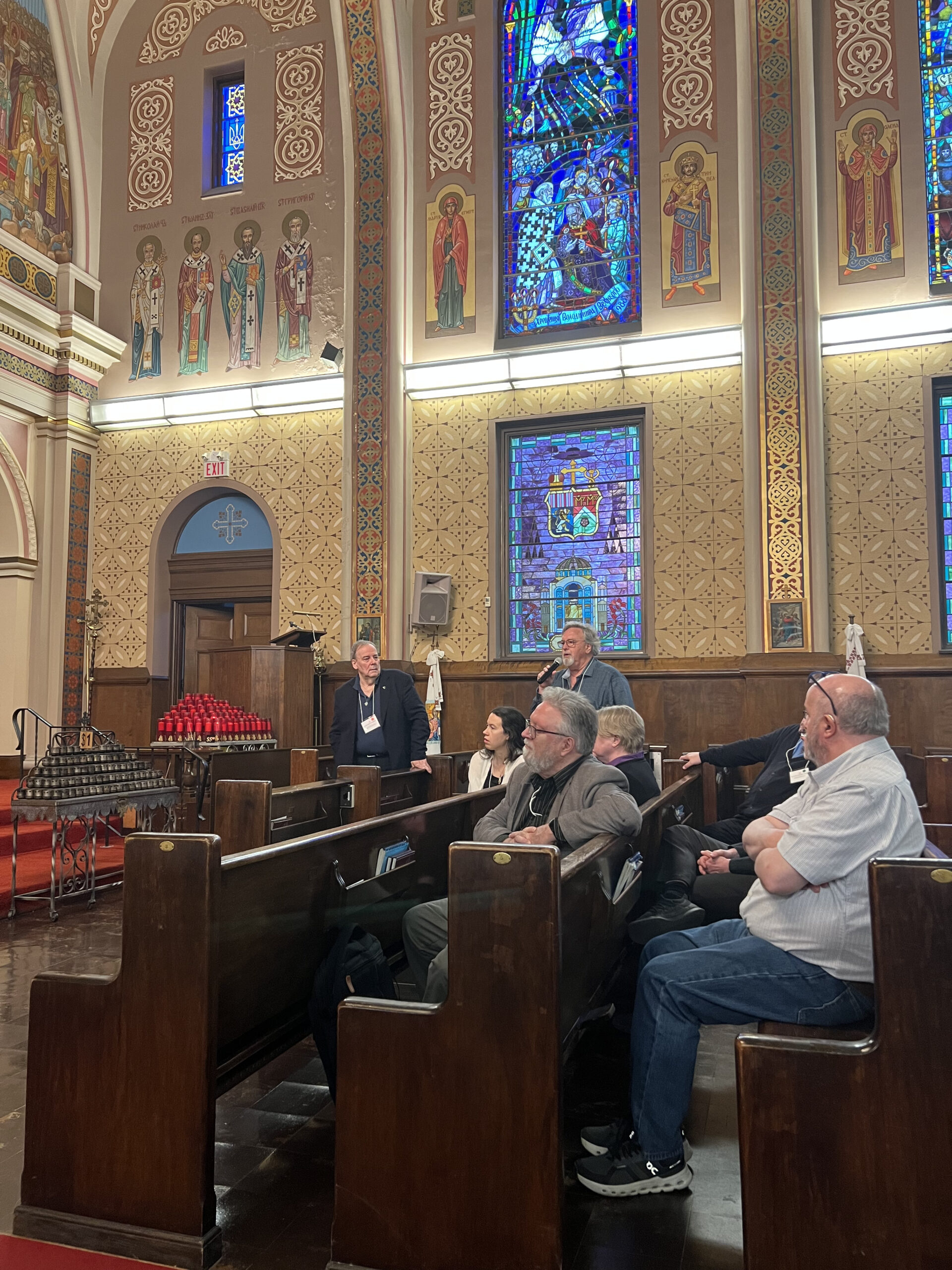
Following the formal presentations, the floor opened for a Q&A session with an audience of over 50 Council members—predominantly representing various Canadian Protestant denominations—alongside a Roman Catholic bishop, priests of the Ukrainian Orthodox Church of Canada, and local attendees.
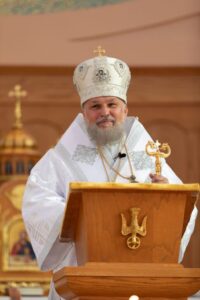
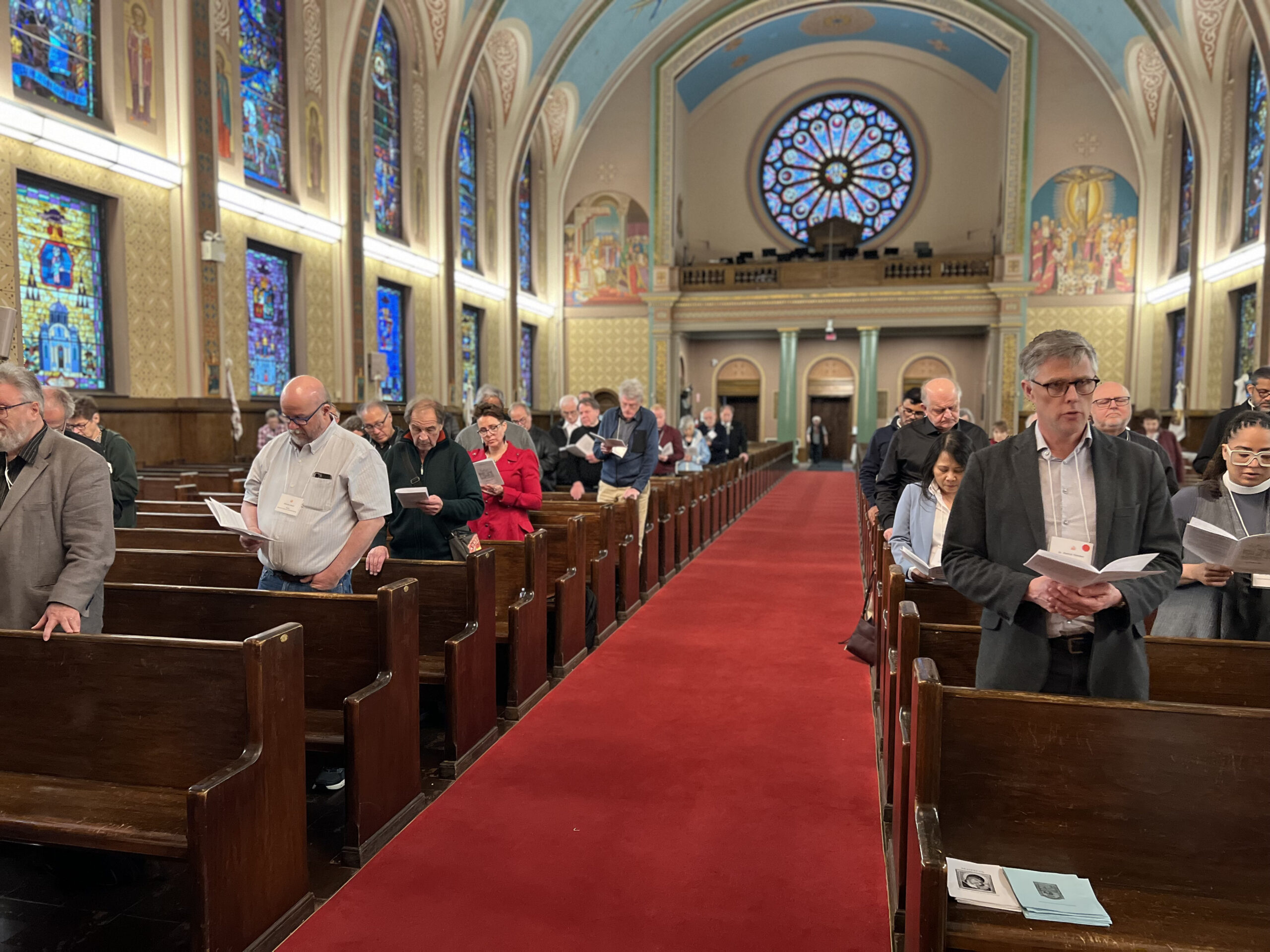
Once the discussion concluded, Metropolitan Lawrence Huculak addressed the assembly, offering an enlightening historical overview of the Ukrainian Catholic Church’s roots in Canada. He shared details of Eastern Catholic theology, liturgical tradition, and the history of Sts. Volodymyr and Olha Cathedral itself—a briefing that many visiting delegates found enriching. The moving evening concluded with all present joining together for the Prayer of the Ninth Hour.
Moving from geopolitical data to spiritual intimacy, the session underscored the core mandate of Christian solidarity. It left attendees not only well-informed about the realities of the war in Ukraine but actively challenged to live out the teaching of Jesus Christ: “Be compassionate as your Heavenly Father is compassionate” (Luke 6:36).
Department of Communications of the Archeparchy of Winnipeg
All photos are provided by the Canadian Council of Churches