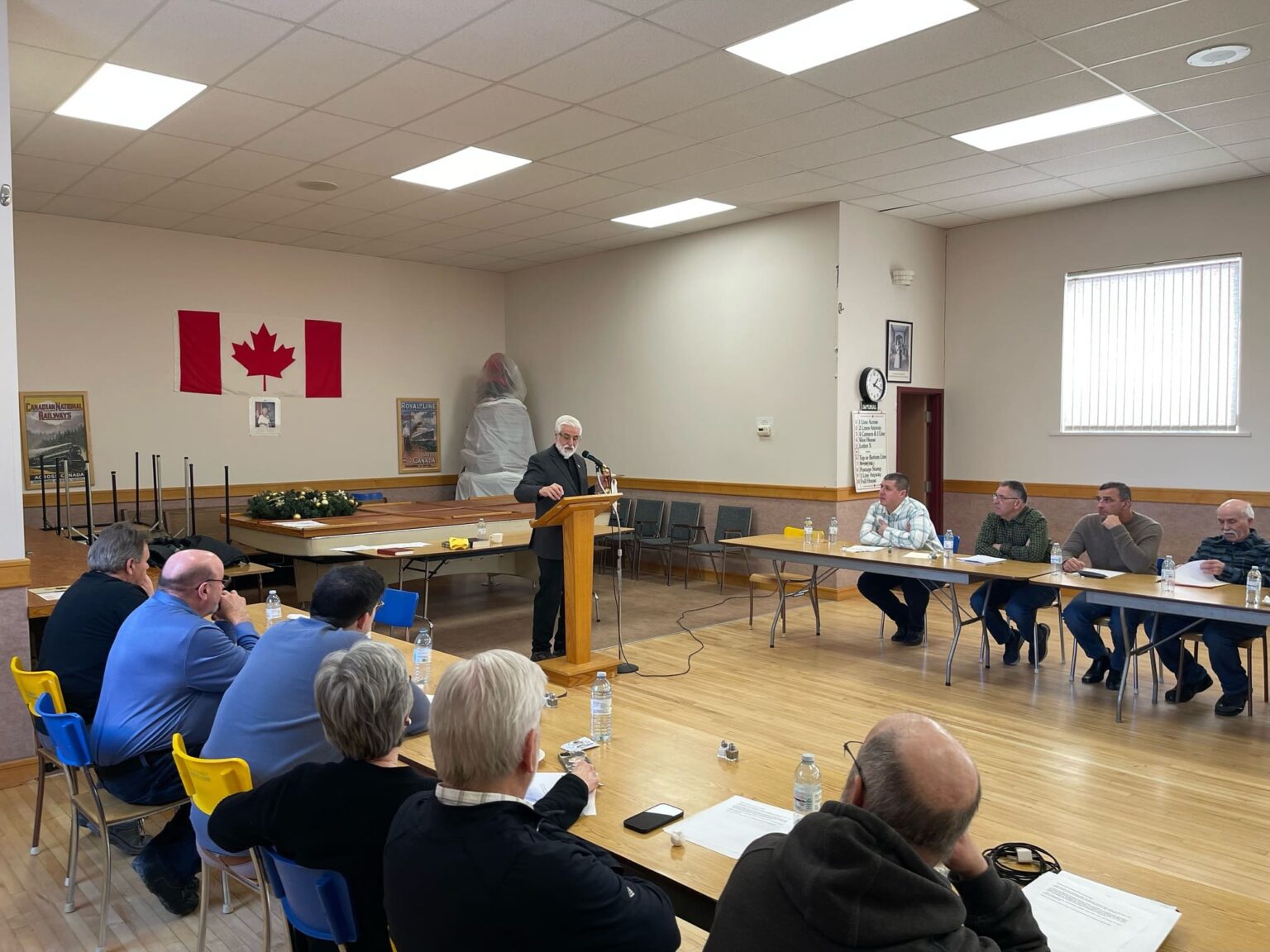
The news of an upcoming archeparchial workshop for Extraordinary Ministers of the Eucharist was most welcome. I was very happy when our pastor, Father Volodymyr Bashutskyy, informed me that I would be among the team from our parish to participate. Even though I have served as an Extraordinary Minister at Holy Family Church for nearly fifteen years, there are still occasional moments when I question whether I am performing a particular task in the right and proper way. This was an excellent opportunity to listen and learn—for example, about providing communion for infants or the proper response when a person approaches for a blessing only.
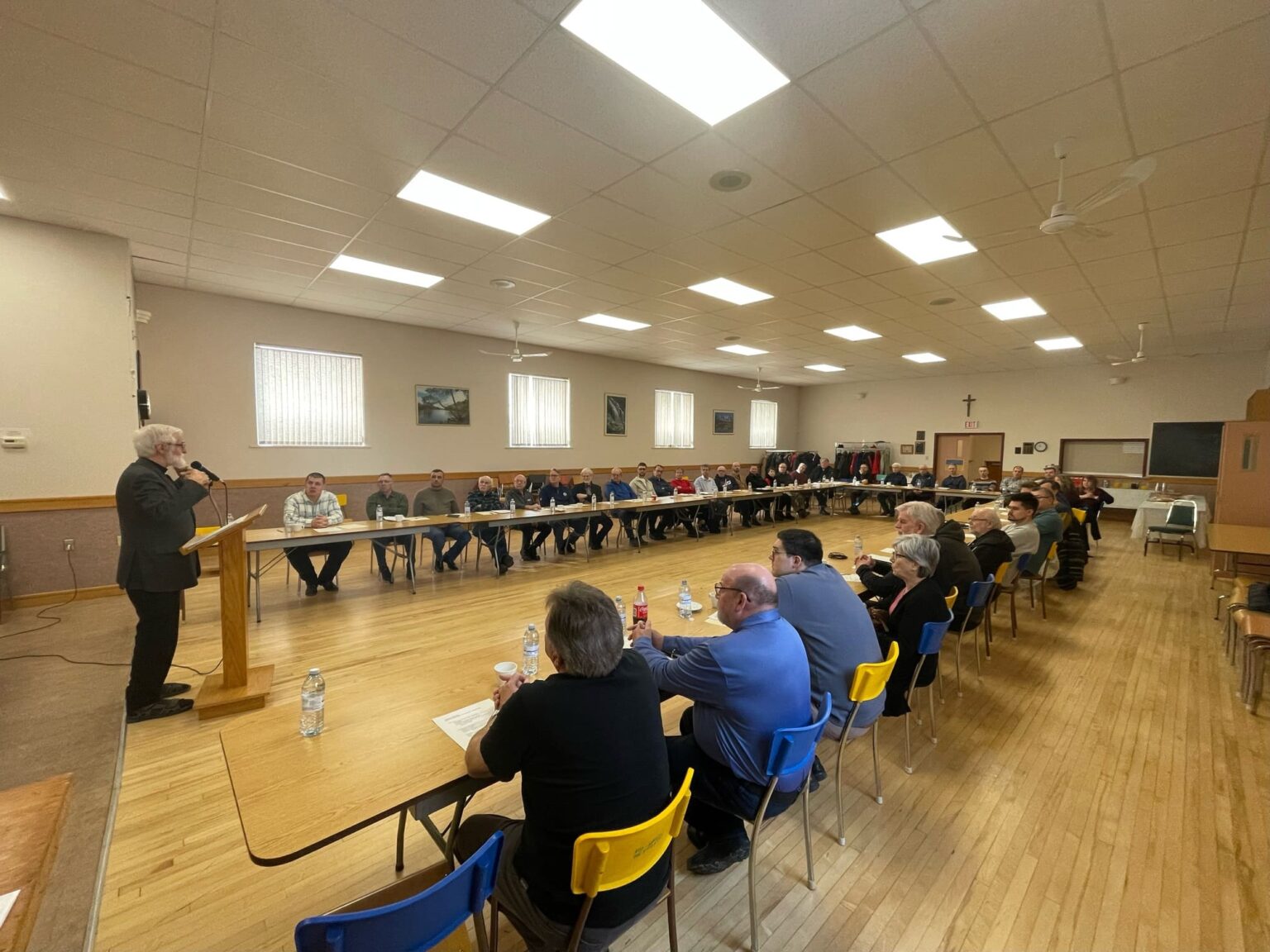
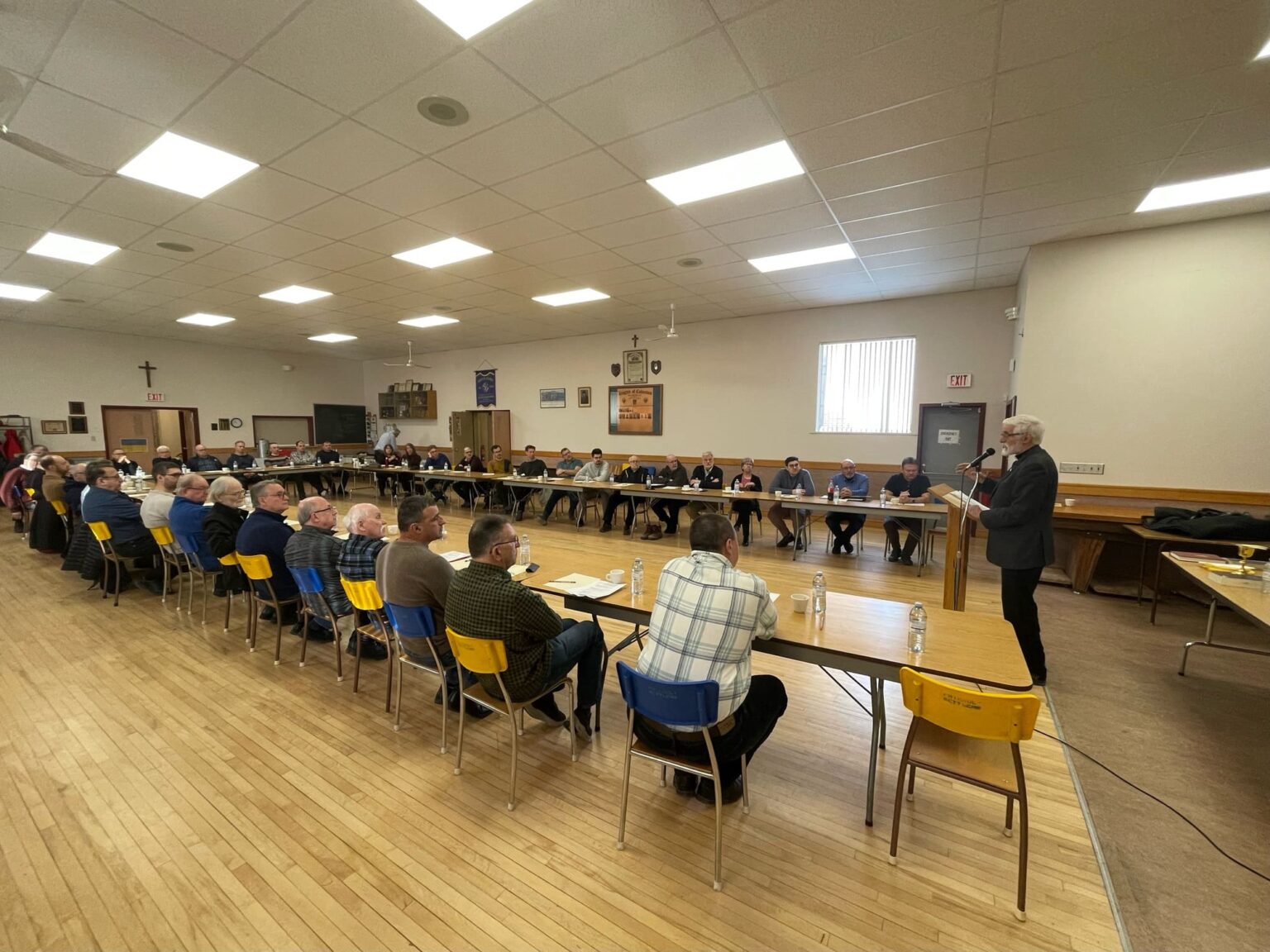
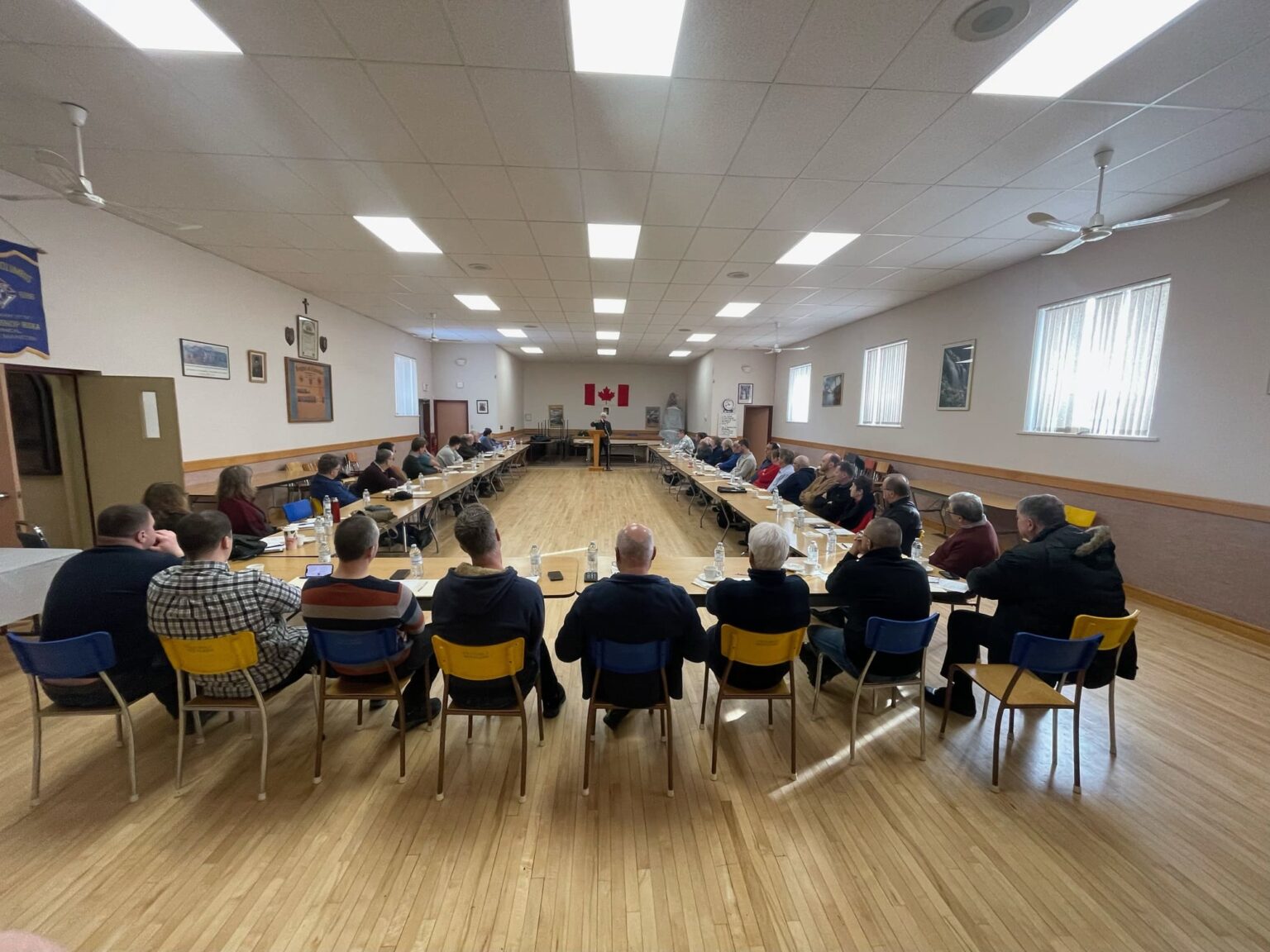
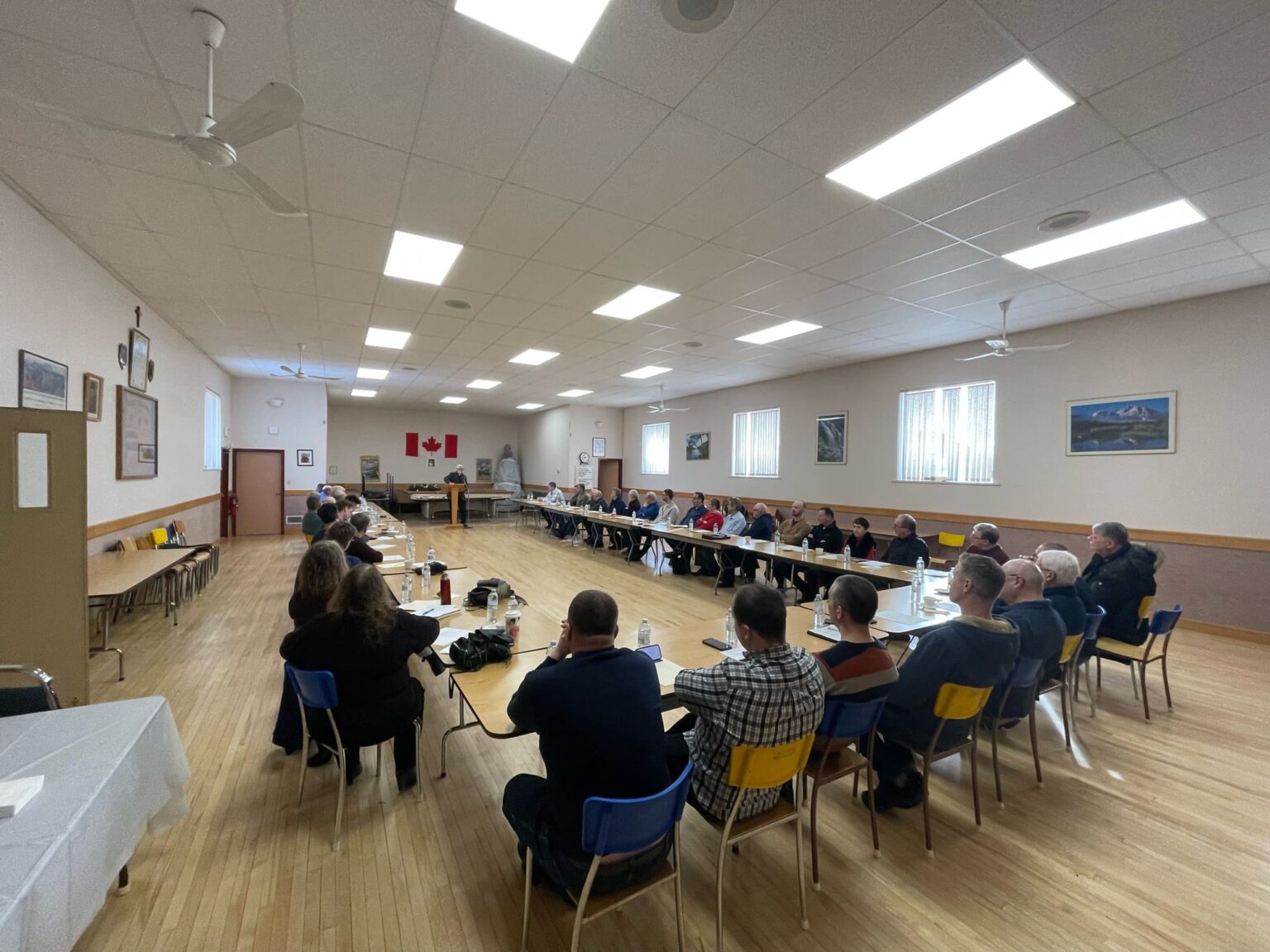
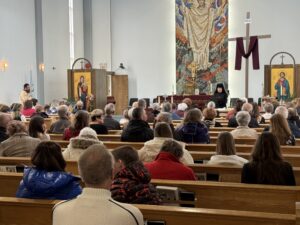
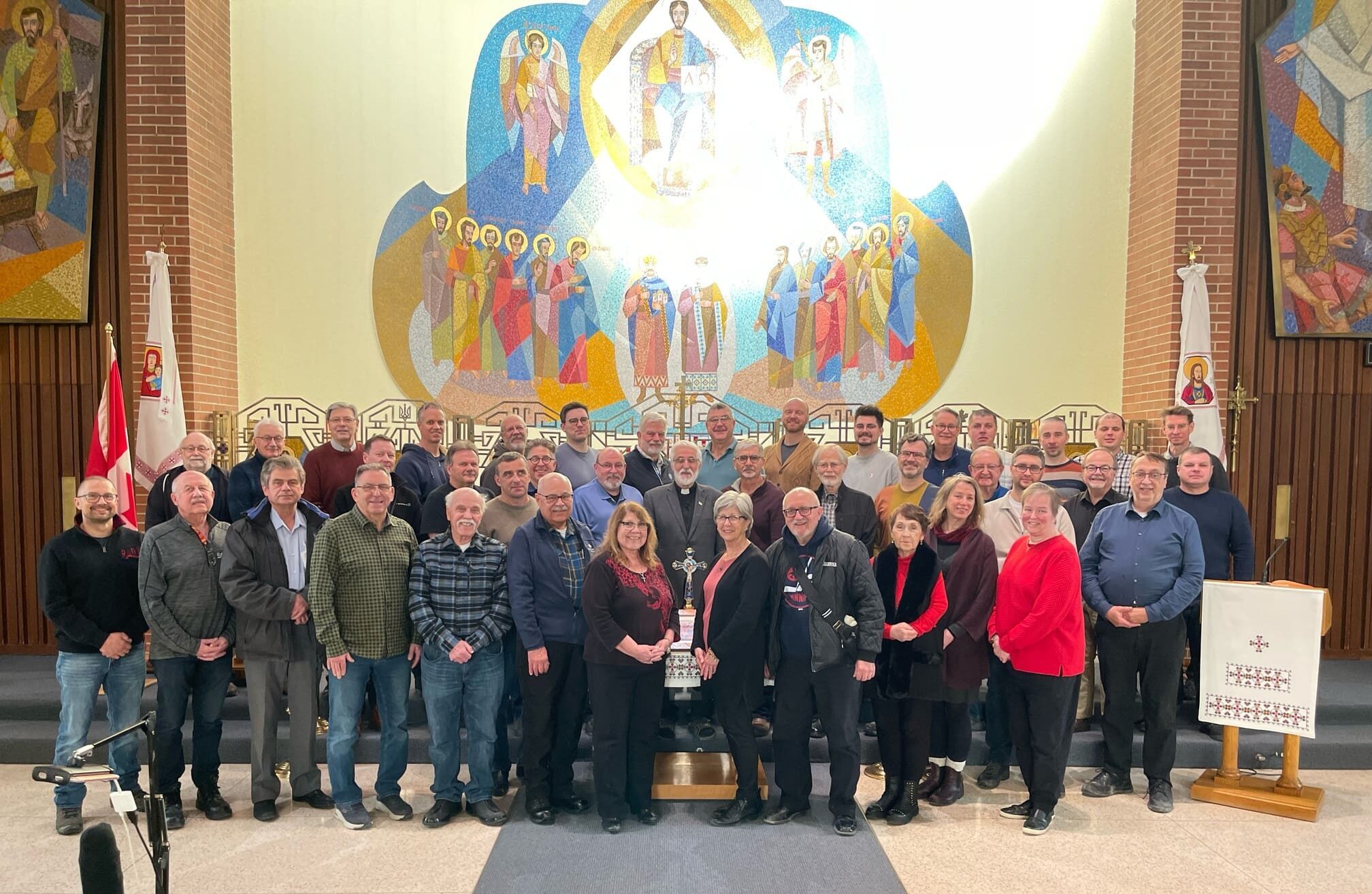
When I arrived at St. Michael’s Church on the morning of February 15, I found myself in the company of an eager and enthusiastic group. Some had traveled a long distance that morning, including those from Dauphin, MB. There were more than forty individuals from various parishes in attendance. It was very encouraging to note that, alongside older members, there were many younger people, and roughly half of the group were novices. After registration and before the initial session began, there was time for fellowship over coffee and refreshments.
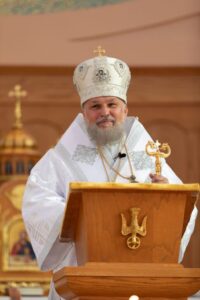
The workshop began with a cordial welcome from Bishop Andriy Rabiy, who led us in prayer. Reading from Scripture, he instructed us on the importance and the historical role of the Extraordinary Minister of the Eucharist. Father John Sianchuk then led the workshop; throughout the session, he provided clear and concise information, often with a great deal of passion. He reiterated that the role of the Extraordinary Minister is rooted in Scripture and that these practices and traditions date back to the earliest times of the Church. He reminded us that we are chosen to serve—we do not simply volunteer ourselves. He spoke on the importance of humility, of being contrite, and of being attentive to the fact that we are merely privileged instruments bringing the Greatest Gift to the people. He emphasized the need to remain in a state of thanksgiving and reverence for the Body and Blood when approaching to serve.
He then instructed us on the practices, practicalities, and protocols for the distribution of the Eucharist: the entrance through the Royal Doors; practical methods for holding the chalice, diskos, ilion, and spoon; the proper protocol should a particle fall and the steps to prevent such an occurrence; and the protocols for performing the ablution. The final session was a practicum, during which the novices learned by performing the actual distribution of the Eucharist. Several participants who are tasked with visiting the sick in their respective parishes were also instructed in the proper practices and protocols for that specific role.
I am very grateful to have been given the opportunity to participate in this workshop. It was a profound experience during which I learned much, was deeply inspired, and became reawakened to the “awesomeness” of the mystery of the presence of Christ in the Eucharist.
Submitted by Eugene Statkewich (Holy Family Parish, Winnipeg)